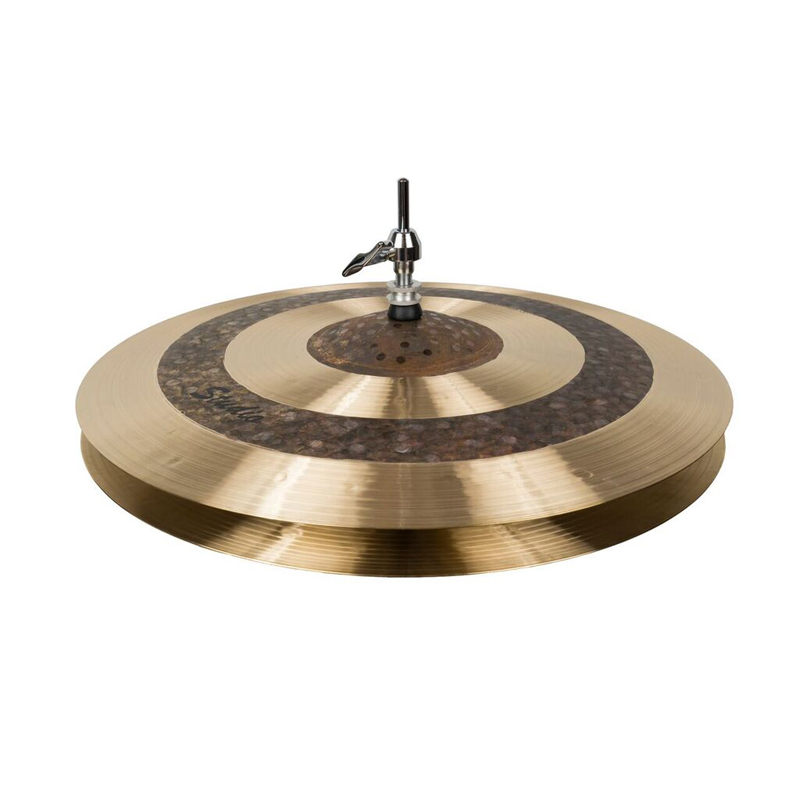
Hi-Hat Programming: The Details That Make Beats Feel Live
Hi-hats are the difference between a beat that feels programmed and one that feels played, and most of that difference comes down to details producers skip because they're tedious. They're worth the time.
Velocity variation matters more than pattern complexity. A hi-hat pattern locked to one velocity value reads as a machine instantly, even if the rhythm itself is interesting. Randomize velocity in a tight range - something like 15-20% variance - across every hit, and accent the downbeats slightly harder than the rest. That single move does more for realism than any plugin will.
Rolls need a curve, not a flat repeat. When you're programming a 32nd-note or 64th-note hi-hat roll, don't just paste the same velocity across every note in the roll. Build a slight crescendo into it - start quieter, ramp up toward the end of the roll - the way a drummer's wrist actually accelerates into a fill. A flat-velocity roll is one of the fastest tells that a beat was built entirely in the piano roll with no ear on the playback.
Micro-timing off the grid sells it further. Nudge a small percentage of hi-hat hits a few milliseconds early or late, not the whole pattern, just scattered hits. Full quantization is what makes a pattern feel locked to a metronome instead of a person. You're not trying to make it sloppy, you're trying to make it human - the difference is a matter of a few milliseconds, not a visible shift.
Alternate closed and open hats deliberately. A pattern that's all closed hats gets monotonous fast. Bring in an open hat on off-beats or at phrase endings to create lift, and make sure the open hat has room to ring before the next closed hat chokes it - if they're crammed too close together the open hat just sounds like noise instead of adding space.
Layer two different hi-hat samples at low volume instead of relying on one. A slightly darker sample underneath your main hi-hat sample, mixed low enough that you're not consciously hearing it as a separate layer, adds texture that a single sample alone won't have. This is a trick I lean on constantly working out of my studio in Knoxville - it's subtle, but it's the kind of subtle that separates a beat that sounds finished from one that sounds like a first draft.
Check the beat catalog at owlspec.com to hear hi-hat programming like this in a finished trap beat, and if your hats need a second pass from someone else's ears, book a mix or master at owlspec.com/services.
The takeaway: vary the velocity, curve your rolls, nudge the timing slightly off-grid, use open hats with intention, and layer a second sample underneath. None of these are complicated moves, but stacked together they're what makes a hi-hat pattern feel like it was played instead of pasted.