Hip Hop & Rap News: What's Moving in the Culture
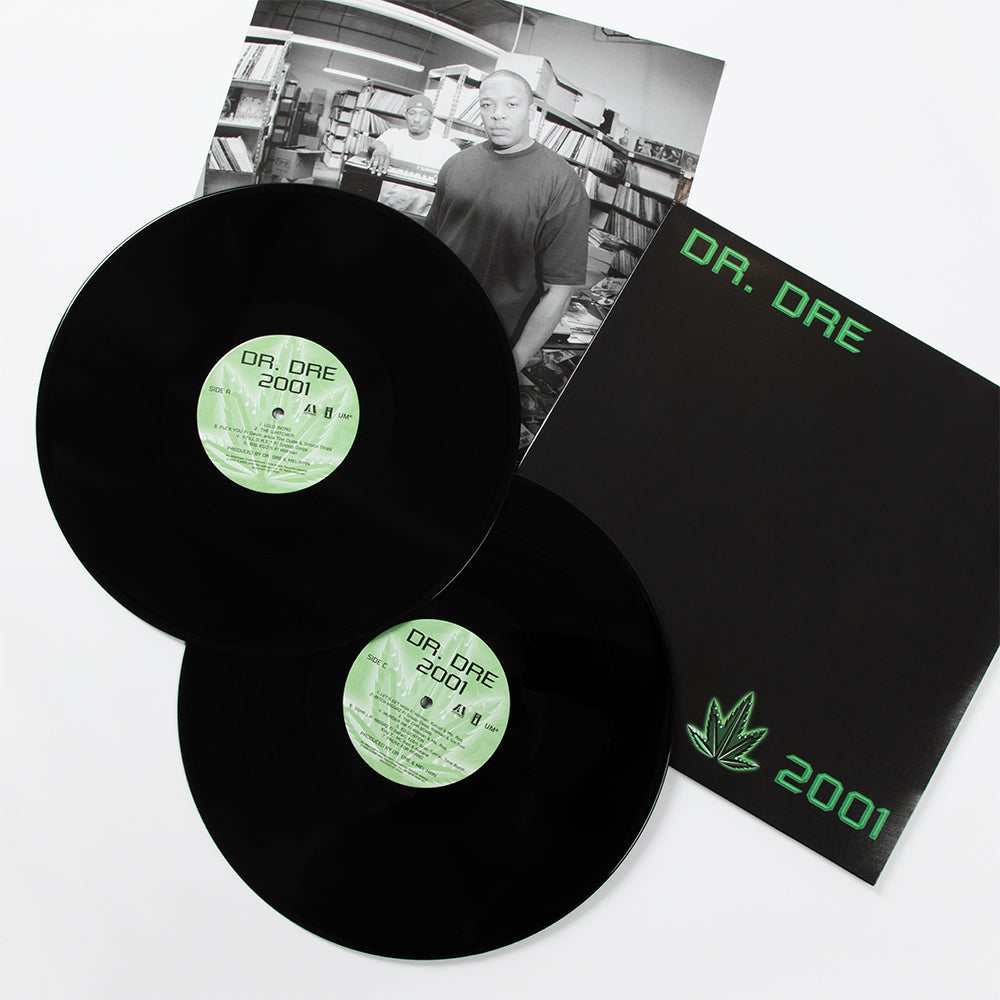
Dr. Dre is pressing a limited 2001 vinyl run mastered straight from the original analog master tapes, with no digital file in the chain. That matters more than it sounds. Most reissues get cut from whatever digital master was already on hand, so you inherit every old conversion and limiter call baked into it. Going back to the tape lets the record breathe again. As an engineer, that is the version I want to hear, and it is a quiet reminder that the source you master from sets the ceiling for everything after it.
Sony Music Publishing and Warner Chappell have sued Anthropic, the company behind the Claude AI tool, claiming it trained on tens of thousands of copyrighted songs without a license and asking for up to 150,000 dollars per song. Whatever you think of the tech, this is a publishing fight, and publishing is where producers actually get paid. If lyrics and compositions can be pulled into a model with no clearance, every writer split you have ever signed is part of that conversation now. This one is worth watching closely.
Tyga said flat out that he used Suno to build his new album and did not seem to care who knew. Days later, LA rapper Fenix Flexin had to deny that his new single was AI-generated after listeners flagged the usual tells. This is where hip hop culture sits right now. The line between a tool and a ghostwriter is blurry, and the audience is getting good at hearing the difference. New rap music in 2026 is going to keep forcing this question, and pretending it is not happening is not a plan.
What's on in the studio right now: I have been cutting darker, half-time loops out of my room in Knoxville this week, tape delay on the top end and a lot of empty space left for a writer to fill. If you want something to work with, browse my beat catalog at owlspec.com/beats.
The through line this week is control. Dre going back to the tapes, publishers drawing a hard line on training data, artists deciding how open to be about their tools. If you make beats, the takeaway does not change: know what you own, log your splits, and keep clean copies of every source you work from. The tools will keep shifting. A clear paper trail and a real master hold their value regardless.