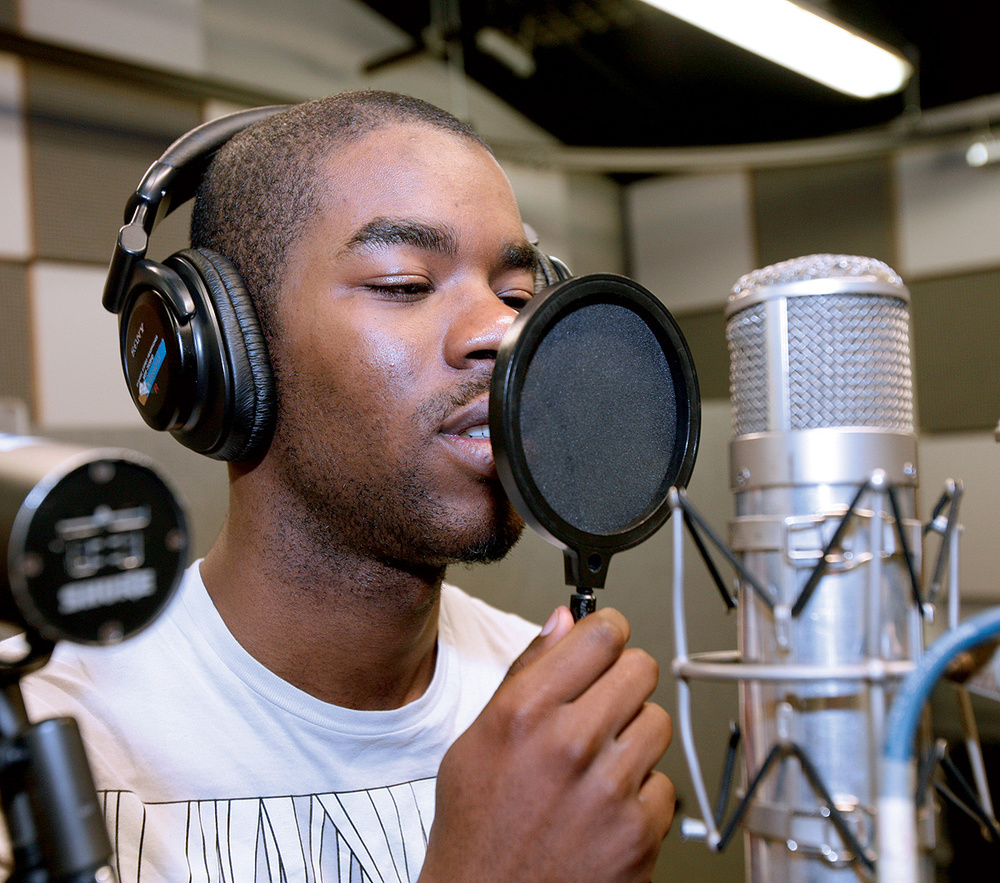
Studio Session Workflow: Recording Rap Vocals That Translate
A vocal that sounds huge in the booth and falls apart on a phone speaker almost always traces back to the session workflow, not the mic. Fix the process and the recording holds up everywhere.
Start with gain staging before the artist even warms up. Set input level so the loudest ad-lib peaks around -12 to -8 dBFS, leaving headroom for the takes that get more aggressive once the artist locks in. Clipping at the interface is the one mistake you cannot fix later - everything else is workable, that is not.
Track in short sections instead of full takes end to end. Four bars at a time keeps energy high and lets the artist reset between attempts instead of dragging fatigue through the whole verse. I run three or four passes per section minimum, even when the first one sounds good, because comping options are worth more than they cost in time.
Comping is where the real editing happens. Pull the best phrase from each pass rather than picking one take and living with its weak spots. Match the room tone and breath placement between edits so the seams disappear, and always keep the unedited takes archived in case a comp choice needs revisiting after the artist hears it back.
Print a rough vocal chain while tracking, even if it never makes the final mix. A touch of compression and a high-pass filter around 80-100 Hz helps the artist perform against something that already sounds like a record instead of a raw, thin signal. Committing to it is fine as long as you are recording clean and printing the effect on a separate track, not baking it into the only copy.
Double the hook, not the whole song. A single, well-comped lead vocal on the verses keeps the performance direct and conversational. Save the doubles, harmonies, and ad-lib stacks for the hook and key moments, where the extra width and energy actually earns its place instead of just adding clutter.
Working out of my studio in Knoxville, the sessions that translate best are the ones where the artist never has to think about the technical side at all - they just perform, and the workflow catches everything worth keeping. That is the actual job: remove friction, protect the takes, and let the vocal be the loudest decision in the room.
If your rough vocal chain sounds off before you even start comping, check the beat catalog at owlspec.com for a reference pocket to record against, and when the take is locked, book a mix or master at owlspec.com/services to get it translating everywhere it needs to.